

Introduction
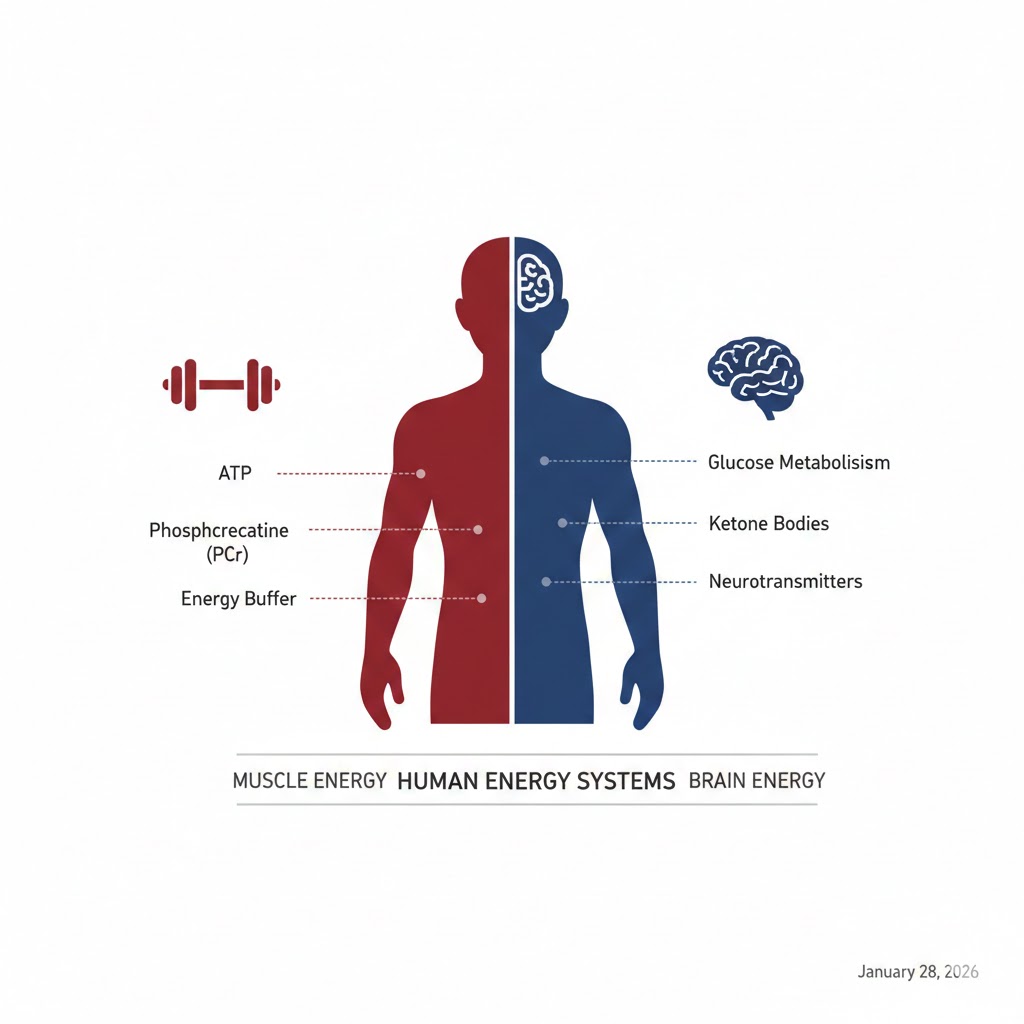
Creatine monohydrate is widely recognized as a leading sports nutrition ingredient, but its role extends beyond muscle. Because creatine participates in the creatine–phosphocreatine (PCr) system, researchers have explored whether supplementation may support brain energy and, under certain conditions, cognitive function. This article takes a neutral, evidence-based approach to what creatine monohydrate research suggests about brain energy metabolism, mental performance, and the scenarios where effects appear most likely—without overstating conclusions.
What Is Creatine Monohydrate?
Creatine monohydrate in one sentence
Creatine monohydrate is the most studied supplemental form of creatine, commonly used to increase creatine availability in the body and support high-energy phosphate turnover through the PCr system.
Why “monohydrate” matters for evidence-based positioning
When people search for “creatine,” the research base overwhelmingly points to Creatine monohydrate as the reference standard. For website content and SEO, this matters because:
● It aligns with the largest body of human research.
● It reduces ambiguity compared to less-studied forms.
● It supports a neutral, science-first tone (important for compliance and credibility).
Why Creatine Is Being Studied for Brain Energy
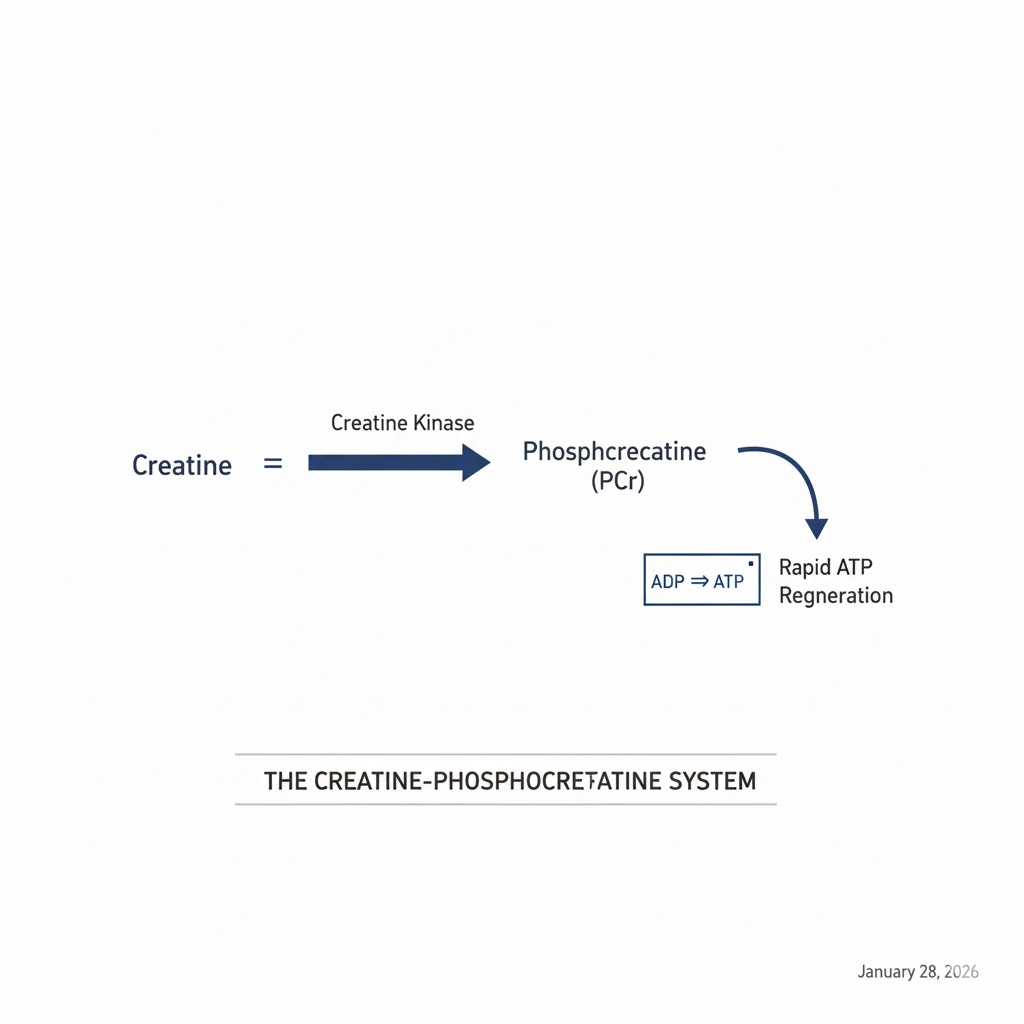
Brain energy demand and the phosphocreatine system
The brain is a high-energy organ. ATP must be continually regenerated to sustain neuronal signaling and basic cellular functions. The phosphocreatine system can help buffer energy needs by supporting rapid ATP regeneration when demand rises.
The most defensible hypothesis
A careful way to state the rationale is:
● Creatine’s role in cellular energy suggests potential relevance to brain bioenergetics.
● Any cognitive benefits may be more likely when the brain is under energy stress or when baseline creatine availability is relatively low.
● Evidence is not uniform across all populations or cognitive outcomes.
Creatine Monohydrate and Cognitive Function — What Human Evidence Suggests
The “pattern” across studies: selective effects, context matters
Across the literature, results are best described as:
● Possible improvements in certain tasks (often memory-related or processing-speed-related endpoints in some studies).
● Mixed findings across broader cognition measures.
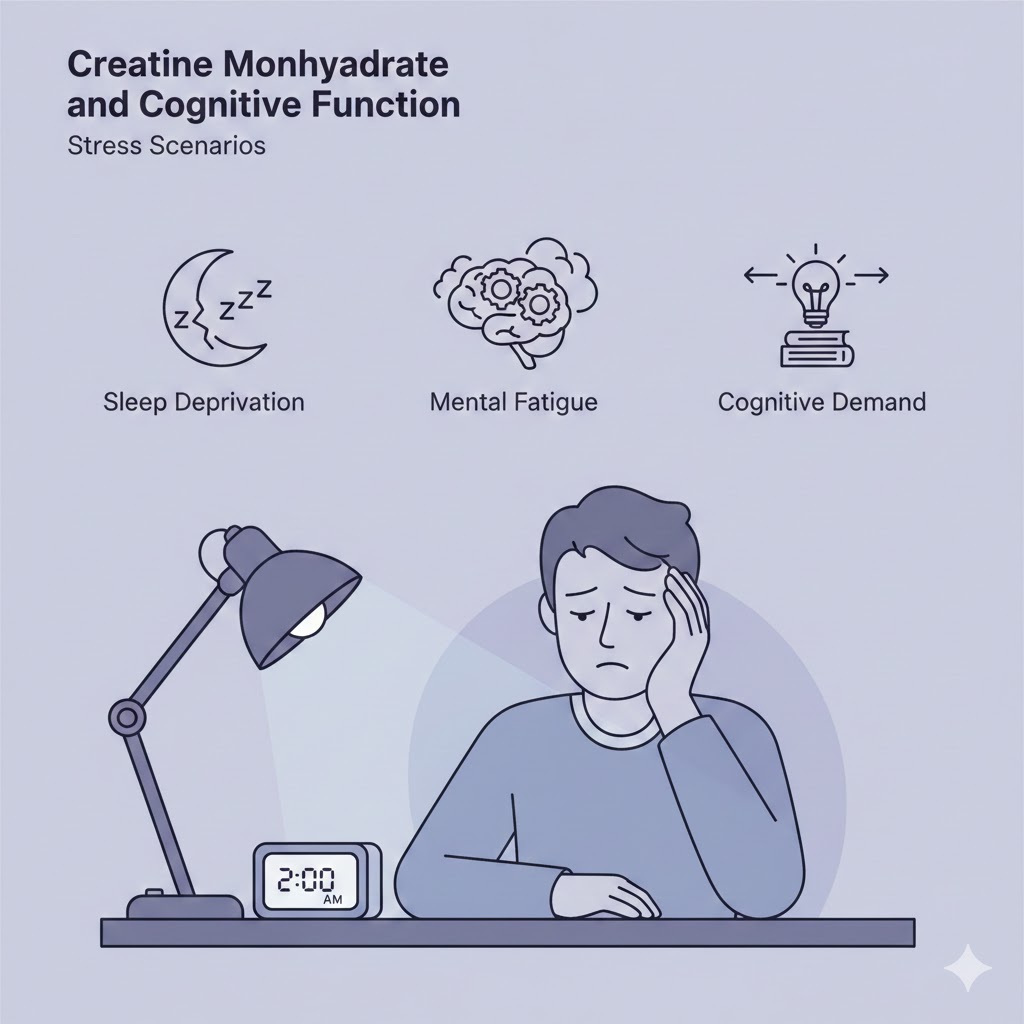
● Stronger signals appearing in stress scenarios (e.g., sleep deprivation) or potentially in subgroups more likely to have lower baseline creatine.
Sleep deprivation and mental fatigue (a key “brain energy” scenario)
Some research has examined creatine monohydrate during sleep deprivation, where cognitive performance commonly declines. This area is frequently discussed because it fits the brain-energy rationale: when energy demand is high and recovery is limited, buffering systems may matter more.
A neutral, SEO-safe way to phrase it on a company website is:
Human research has explored creatine monohydrate in high-stress scenarios such as sleep loss, with some studies reporting improved cognitive performance; however, findings are still emerging and do not support universal claims.
Healthy adults vs. specific populations
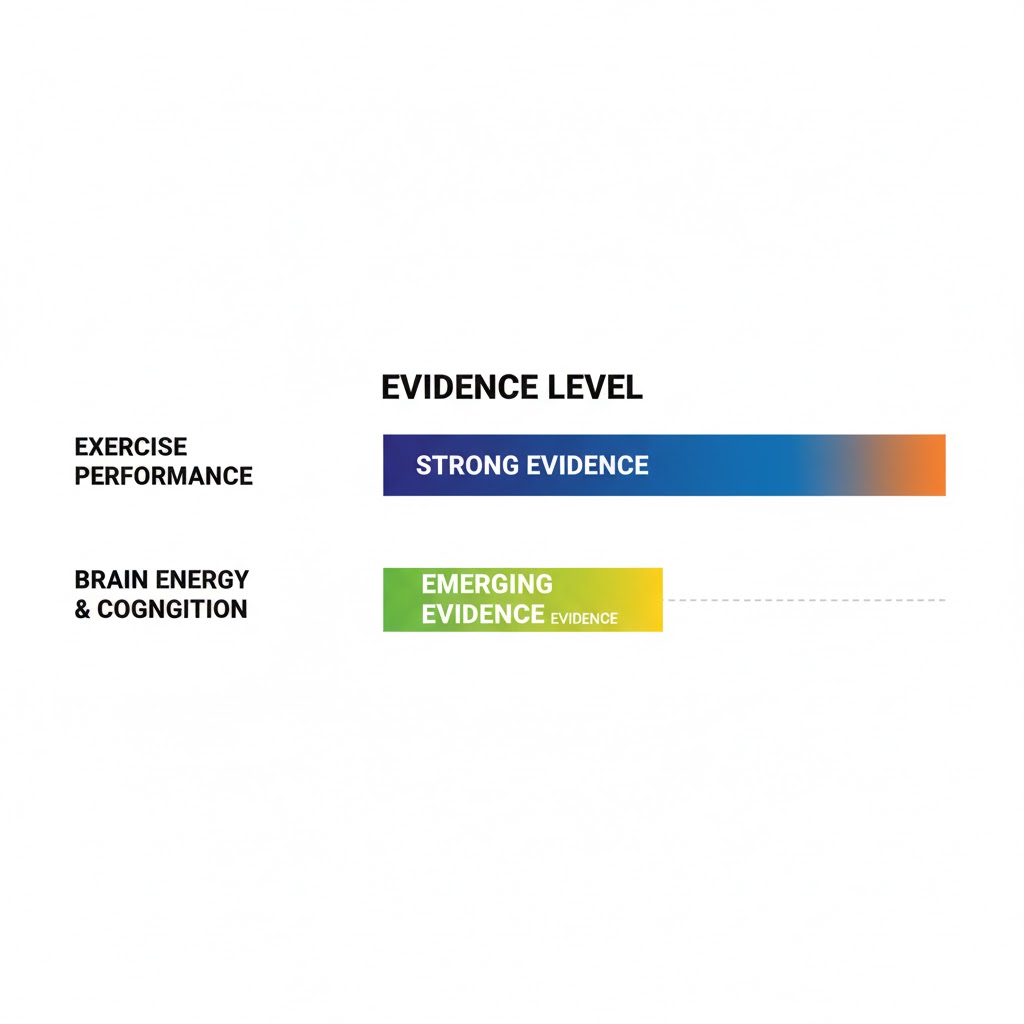
In everyday “healthy adult” settings, the evidence for large, consistent cognitive enhancement is not established. Effects—when present—tend to be smaller and more variable than creatine’s well-known performance benefits in high-intensity exercise.
The Broader Applications of Creatine Monohydrate (Why It’s Considered an “A-Class” Supplement in Sport)
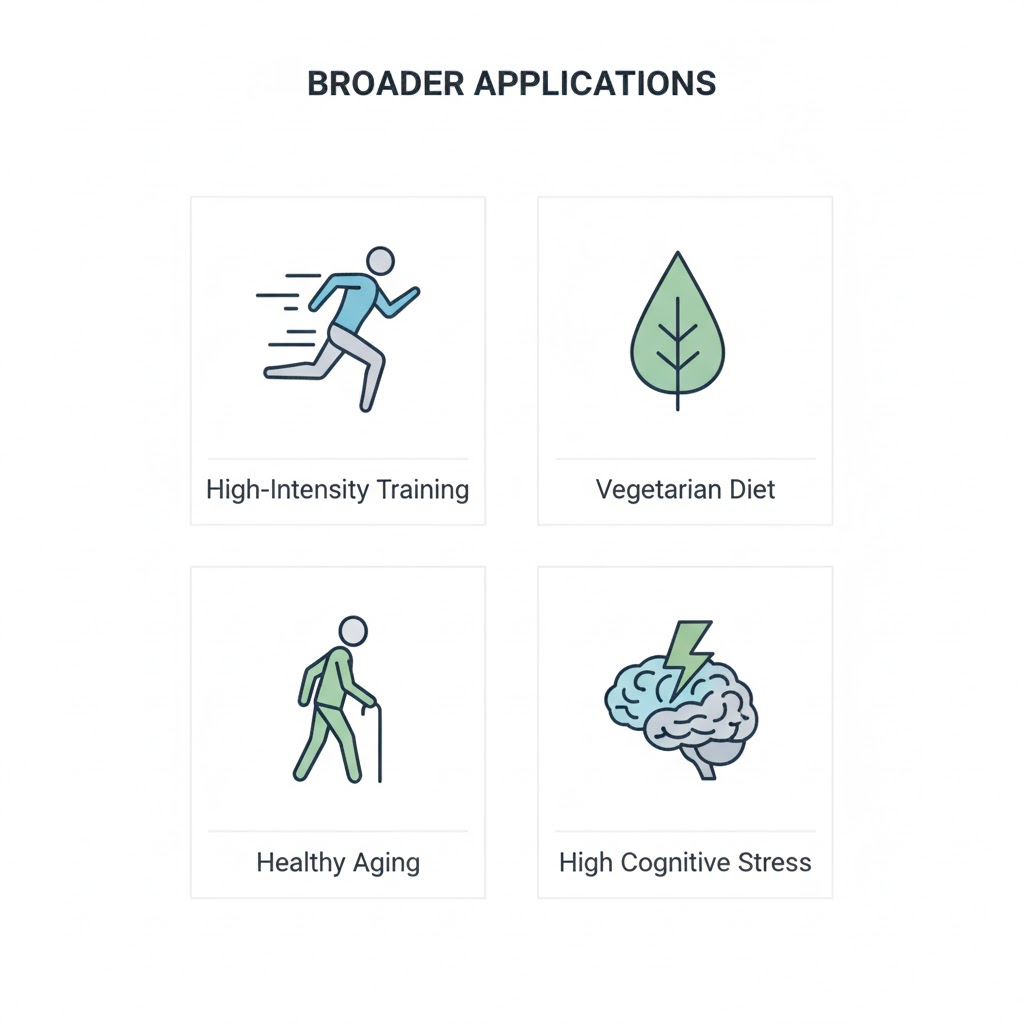
Sports performance remains the strongest evidence base
Creatine monohydrate is best established for:
● Repeated high-intensity performance
● Training capacity and power output support
● Long-term training adaptation when paired with proper programming
This matters for your brain-energy article because it positions creatine as a foundational ingredient with extensive study—while keeping brain-related claims appropriately cautious.
Vegetarians and low dietary creatine intake
Because dietary creatine largely comes from animal foods, people with low intake (including many vegetarians) are frequently discussed in creatine research. A neutral framing:
People with lower dietary creatine intake may have different baseline status, which could influence how supplementation effects appear in studies.
Older adults and the “healthy aging” trend
A major market trend is creatine monohydrate as part of healthy aging—often connected to resistance training and muscle function. While this article focuses on brain energy, this trend helps demonstrate creatine’s breadth of use cases across life stages.
Practical Use
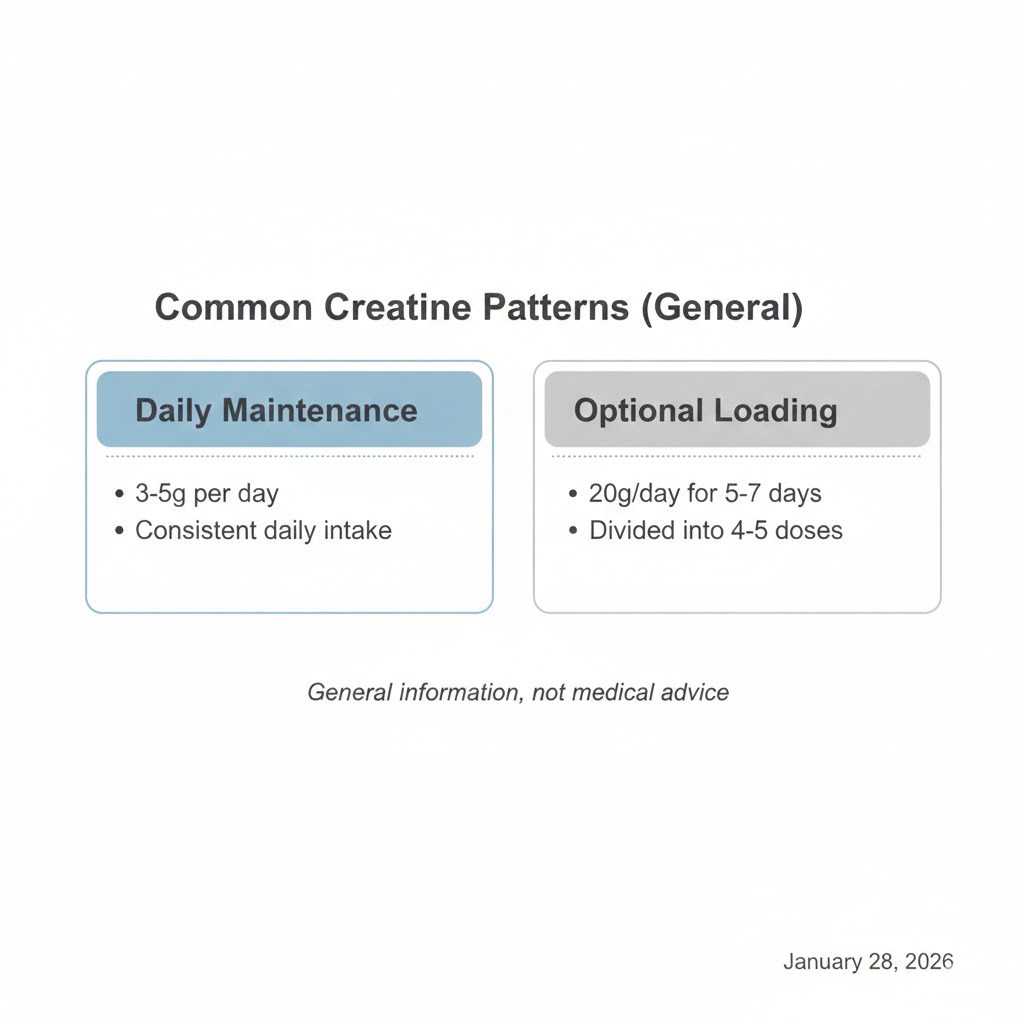
Typical dosing language without making medical claims
Common supplemental patterns discussed in sports nutrition include:
● Daily maintenance intake (often a few grams per day)
● Optional loading approaches used by some protocols to increase stores faster (not required for everyone)
Safety and responsible positioning
For website content, the cleanest and most defensible structure is:
● Creatine monohydrate has a long history of use and extensive research in sport.
● People with pre-existing medical conditions (especially kidney-related concerns) should consult a qualified healthcare professional.
● Avoid disease-treatment language; keep phrasing like “supports,” “is being studied,” “may,” “evidence is mixed.”
FAQ
Does creatine monohydrate help brain energy?
Creatine monohydrate is being studied for brain energy metabolism because it supports the phosphocreatine system involved in ATP regeneration. Evidence suggests potential benefits may be more likely under stress conditions or in certain populations, but findings are not universal.
Does Creatine monohydrate improve cognitive function?
Human research is mixed. Some studies and reviews report improvements in specific cognitive outcomes, while others find limited or no effect. Overall, the most neutral conclusion is that effects—when present—appear context-dependent.
Is creatine monohydrate mainly for athletes?
Creatine monohydrateis most established for sports performance, but it is also discussed in broader wellness contexts such as low dietary creatine intake and healthy aging trends.
H2: References
● International Society of Sports Nutrition (ISSN). Position stand on creatine supplementation (safety and efficacy).
● Australian Institute of Sport (AIS). Supplement framework and creatine overview pages.
● Systematic reviews and meta-analyses on creatine supplementation and cognitive outcomes (memory, attention, processing speed).
● Human studies examining creatine during sleep deprivation and mental performance outcomes
Post time: Jan-28-2026


