


Creatine Monohydrate and dietary protein are frequently discussed together in the context of muscle health and physical performance. However, these nutritional components serve fundamentally different physiological functions.
This article examines Creatine Monohydrate and dietary protein from a scientific perspective, clarifying how each supports muscle function through distinct biological pathways.
How Dietary Protein Supports Muscle Structure
Dietary protein supplies amino acids that serve as the structural building blocks of muscle tissue. Adequate protein intake supports muscle protein synthesis, tissue repair, and nitrogen balance.
The Dietary Guidelines for Americans emphasize protein-containing foods as a foundational component of healthy dietary patterns.
How Creatine Monohydrate Supports Cellular Energy
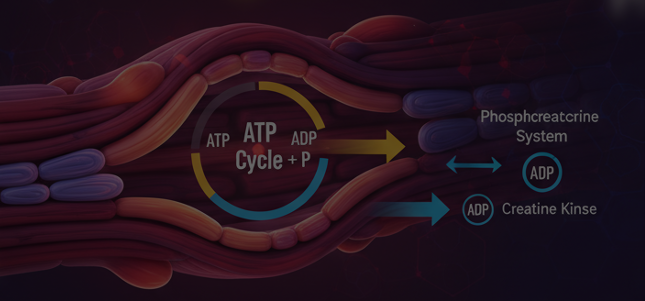
Creatine Monohydrate does not contribute amino acids or calories. Instead, it supports cellular energy metabolism through the phosphocreatine system, enabling rapid regeneration of adenosine triphosphate during short-duration, high-intensity activity.
This energetic role distinguishes creatine from dietary protein.
Why Creatine Monohydrate Not a Protein Substitute
Although both protein and creatine are associated with muscle function, they operate through distinct physiological mechanisms.
Protein supports muscle structure and synthesis, while Creatine Monohydrate supports energy availability during muscular contraction. As such, these nutrients are complementary rather than interchangeable.
Dietary Guidelines Perspective on Protein and Supplements

The Dietary Guidelines for Americans prioritize meeting nutritional needs through food-based dietary patterns.
Creatine Monohydrate occupies a neutral, complementary position within this framework, supporting specific physiological systems without altering macro-nutrient distribution.
Can High-Protein Diets Replace Creatine Intake?
Protein-rich diets increase amino acid intake but do not substantially increase intramuscular creatine stores beyond normal physiological limits.
Additionally, dietary creatine intake is constrained by practical food intake levels and saturated fat considerations, which may limit creatine availability from food alone.
Summary
Creatine Monohydrate and dietary protein fulfill different but complementary roles in muscle function and nutrition. Understanding these distinctions supports evidence-based interpretation rather than oversimplified comparisons.
Disclaimer
The information provided in this article is for educational purposes only and is based on current scientific research and evidence available at the time of writing. It is not intended as medical advice and should not be used to diagnose, treat, or prevent any disease. Always consult with a healthcare provider or a qualified professional before making any changes to your diet, supplement regimen, or lifestyle, particularly if you have existing health conditions or are taking medication. Individual responses to supplements may vary, and the safety and efficacy of Creatine Monohydrate subject to ongoing research.
Post time: Jan-16-2026


