

Creatine monohydrate is best known for supporting repeated high-intensity exercise, but research interest now extends to brain energy metabolism, memory and aging. That expansion creates a genuine product-development opportunity—and an equally important need to separate emerging evidence from established claims.
The strongest evidence for creatine remains in exercise and muscle-related outcomes. Brain-health results are more variable and depend on the population, dose, duration, baseline diet and cognitive test used. A commercial product should therefore not be described as a universal cognitive enhancer.
Why Is Creatine Being Studied in the Brain?
The brain has a high and fluctuating energy demand. Creatine and phosphocreatine participate in cellular energy buffering by helping regenerate ATP. Human brain tissue contains this system, and oral creatine can increase brain creatine in some circumstances.
This provides biological plausibility, not proof of a consumer benefit. Brain uptake appears less predictable than muscle uptake, and the optimal supplementation protocol for increasing brain creatine has not been established. Mechanism and outcome should remain separate in product communication.
What Do the Meta-Analyses Show?

A 2024 systematic review and meta-analysis included 16 randomized controlled trials involving 492 participants aged 20.8–76.4 years. Creatine monohydrate was used in every included study. The analysis reported positive effects for memory (SMD 0.31) and some time-based measures of attention and processing speed, but no significant improvement in overall cognitive function or executive function. Evidence certainty was moderate for memory and low for several other outcomes.
A separate Nutrition Reviews meta-analysis examined memory in healthy participants. Ten randomized trials entered the review and eight entered the meta-analysis. The pooled memory effect was SMD 0.29, but heterogeneity was substantial (I² = 66%). The older-adult subgroup showed a larger estimate, although that result was also heterogeneous and based on a smaller evidence base.
These findings are promising, but they do not show that every person, dose or finished product will produce the same effect.
Why Diet, Stress and Population May Matter
Creatine occurs naturally mainly in animal-derived foods, which has prompted research in vegetarians and people with lower dietary intake. A small 2003 crossover trial reported improvements in working memory and reasoning after 5 g/day for six weeks in young adult vegetarians. It remains one study in a specific population, not a basis for universally targeting vegetarians with cognitive claims.
Other studies have examined sleep deprivation, aging and clinical populations. Results from these settings should not be combined as if they answer the same question. A benefit under acute metabolic stress does not automatically demonstrate everyday cognitive enhancement in well-rested, healthy consumers.
What Does the 2025 Alzheimer’s Pilot Add?
A 2025 single-arm pilot gave 20 participants with Alzheimer’s disease 20 g/day of creatine monohydrate for eight weeks. Nineteen reached the compliance target, and measured brain total creatine increased by 11%. Several cognitive scores also improved.
However, the study had no placebo group, included only 20 participants and was designed primarily to assess feasibility. It does not establish treatment efficacy, disease prevention or a permitted commercial claim. Its value is that it supports further controlled research and shows that brain creatine can be measured as an outcome.
What Should Nutrition Brands Evaluate?
-
Evidence and Claims
Define the intended market before writing claims. “Supports cellular energy metabolism,” “cognitive performance” and disease-related language can have very different regulatory implications. Ingredient-level studies do not prove efficacy of a finished product with a different dose or format.
-
Dose and Delivery Format
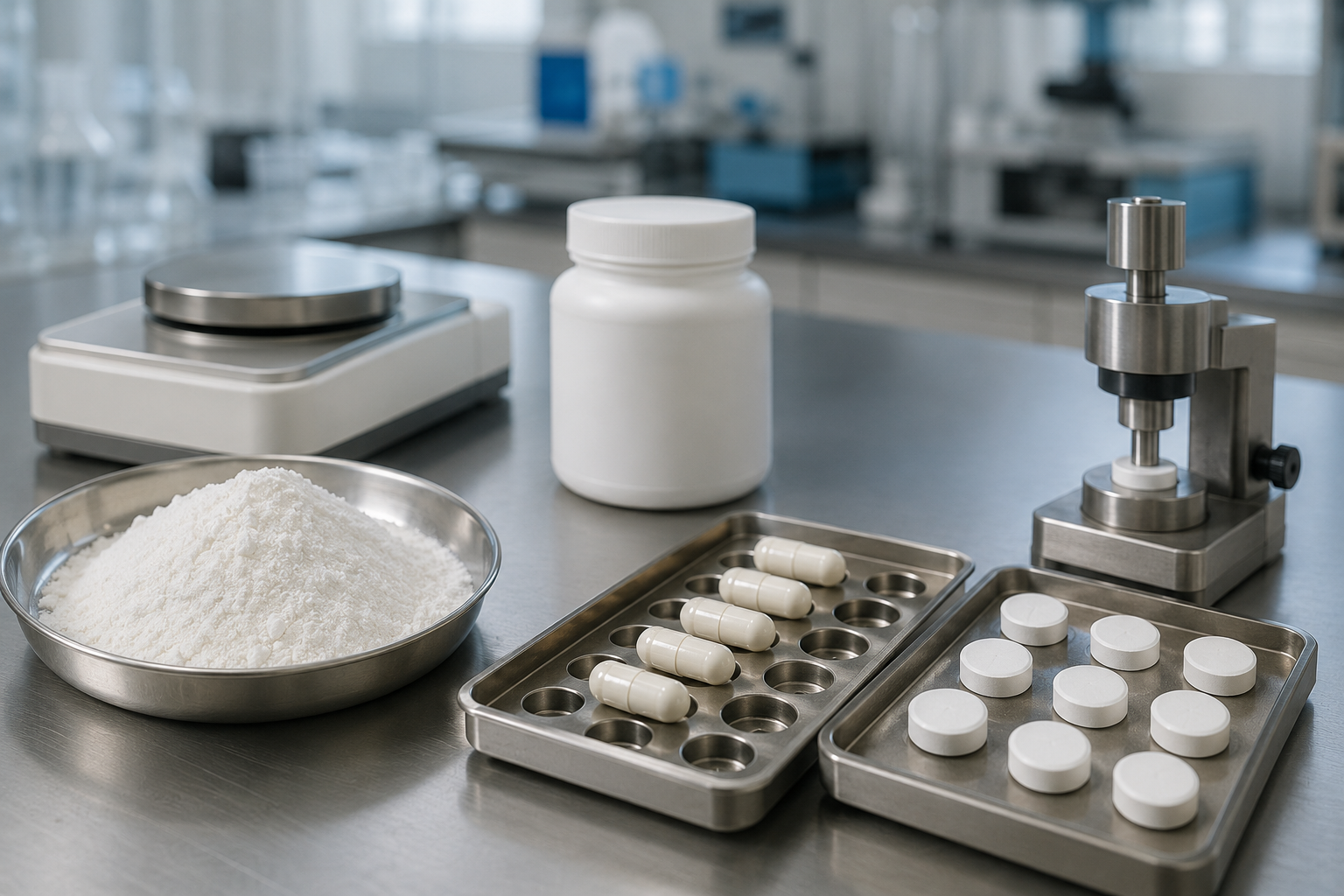
The cognition literature has used widely different protocols, including approximately 2.2–20 g/day. A research dose may fit easily into a powder but require several capsules, tablets or gummies. Brands should calculate creatine per unit, daily unit count, pack size and consumer adherence before selecting the format.
-
Material and Finished-Product Controls
Confirm identity, assay basis, impurities, individual metals, microbiology, particle-size distribution and relevant physical properties. A batch COA supports raw-material conformity; it does not demonstrate cognitive performance. Finished products still require blend-uniformity, stability and label-compliance work.
From Sports Nutrition to Responsible Functional Nutrition
Creatine’s brain-health evidence is developing, not empty. Meta-analyses identify a modest signal for memory, while newer studies are testing brain creatine directly. The commercial opportunity is therefore not to promise sharper thinking to everyone, but to develop well-dosed products whose positioning matches the evidence and destination-market rules.
SRS Nutrition Express supplies creatine monohydrate in different particle-size and physical specifications and can provide specifications, batch COAs, samples and technical documentation. These documents describe the supplied material or batch and should not be presented as clinical proof of a finished product.
Exploring a creatine-based functional nutrition product? Send SRS the destination market, target population, intended dose, delivery format and annual volume to discuss suitable samples and documentation for development trials.
References
- Xu C, Bi S, Zhang W, Luo L. The effects of creatine supplementation on cognitive function in adults: a systematic review and meta-analysis. Frontiers in Nutrition. 2024;11:1424972. Corrigendum published 2025.
- Prokopidis K, Giannos P, Triantafyllidis KK, et al. Effects of creatine supplementation on memory in healthy individuals: a systematic review and meta-analysis of randomized controlled trials. Nutrition Reviews. 2023;81(4):416–427.
- Smith AN, et al. Creatine monohydrate pilot in Alzheimer’s: feasibility, brain creatine, and cognition. Alzheimer’s & Dementia: Translational Research & Clinical Interventions. 2025.
- Rae C, Digney AL, McEwan SR, Bates TC. Oral creatine monohydrate supplementation improves brain performance: a double-blind, placebo-controlled, cross-over trial. Proceedings of the Royal Society B. 2003;270(1529):2147–2150.
- Avgerinos KI, Spyrou N, Bougioukas KI, Kapogiannis D. Effects of creatine supplementation on cognitive function of healthy individuals: a systematic review of randomized controlled trials. Experimental Gerontology. 2018;108:166–173.
- Roschel H, Gualano B, Ostojic SM, Rawson ES. Creatine supplementation and brain health. Nutrients. 2021;13(2):586.
- Kreider RB, Kalman DS, Antonio J, et al. International Society of Sports Nutrition position stand: safety and efficacy of creatine supplementation in exercise, sport, and medicine. Journal of the International Society of Sports Nutrition. 2017;14:18.
- Wyss M, Kaddurah-Daouk R. Creatine and creatinine metabolism. Physiological Reviews. 2000;80(3):1107–1213.
Post time: Sep-04-2026


