

Six weeks of supplementation. Regular training. A comparison with placebo.
Those details can make two studies sound like versions of the same experiment. Yet one betaine paper reported encouraging changes in selected outcomes, while another carried a title saying it did not improve muscle hypertrophy or strength.
Reading the results closely reveals a more useful story than a simple argument over whether betaine “works.” The studies asked different questions—and some of their findings are less contradictory than their headlines suggest.
1 A Training Benefit Can Mean Several Different Things
Lifting a heavier maximum weight, completing more work during a session and changing body composition are separate outcomes.
A person might perform additional repetitions without increasing the heaviest load they can lift. Estimated lean mass might change without a detectable improvement in a particular performance test.
These distinctions matter when reading ingredient research. “Improved training results” can hide a shift from the outcome actually measured to a much broader promise.
Before deciding whether two papers disagree, establish what each experiment counted as success.
2 The Earlier Trial Was Not a Clear Strength Success
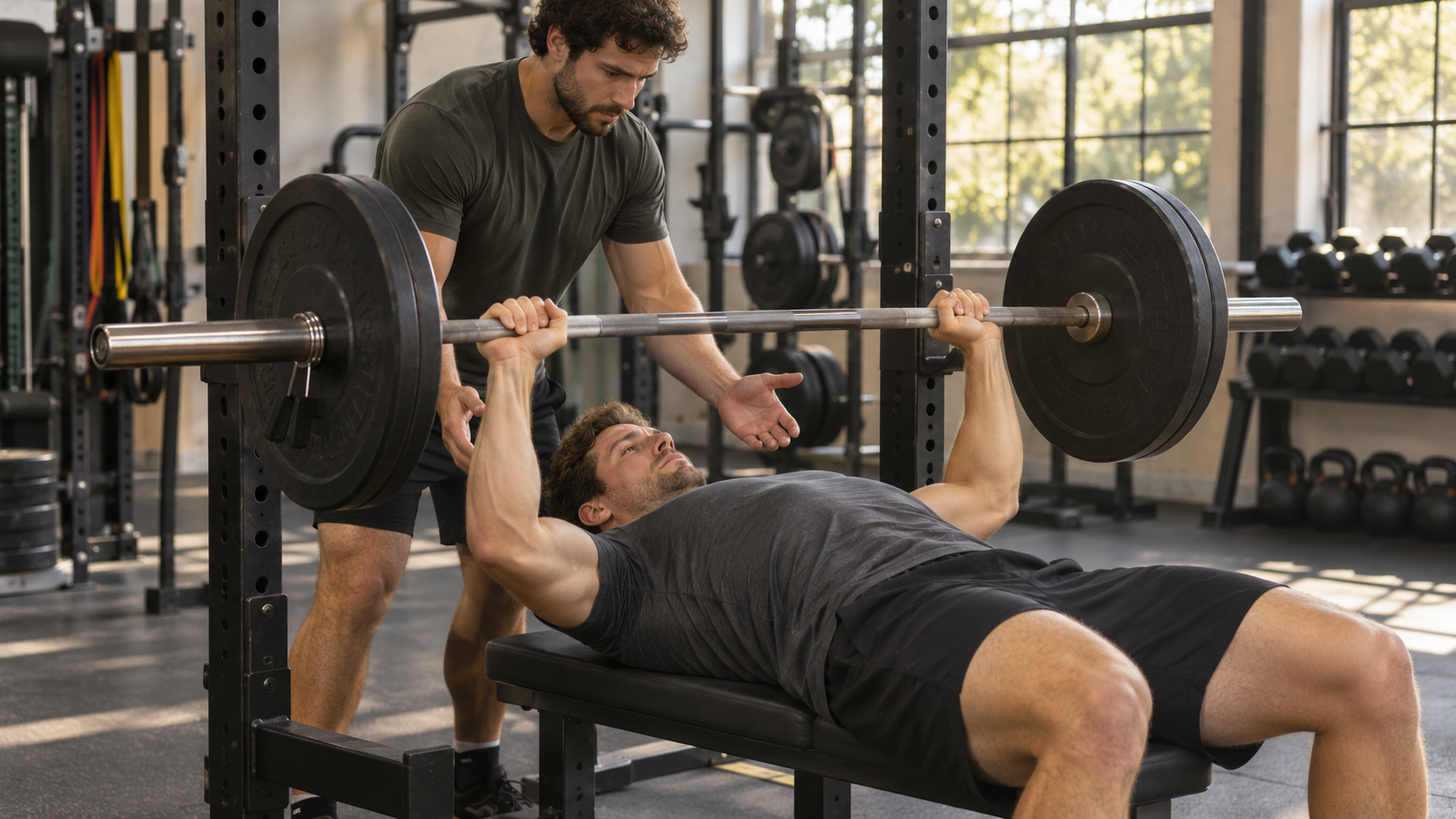
Cholewa and colleagues studied 23 experienced strength-trained men over six weeks in 2013. Participants received betaine at 2.5 g/day or placebo alongside a periodized resistance-training program.[1]
The paper reported favourable findings for selected body-composition measures and bench-press training volume. However, its strength tests did not show significant between-group differences.
That matters for how the study is described. Evidence concerning work performed across training sessions should not quietly become evidence that participants achieved greater maximal strength.
Even this relatively encouraging paper therefore needs a narrower description than “betaine builds strength.”
3 The CrossFit Trial Asked a Broader Performance Question
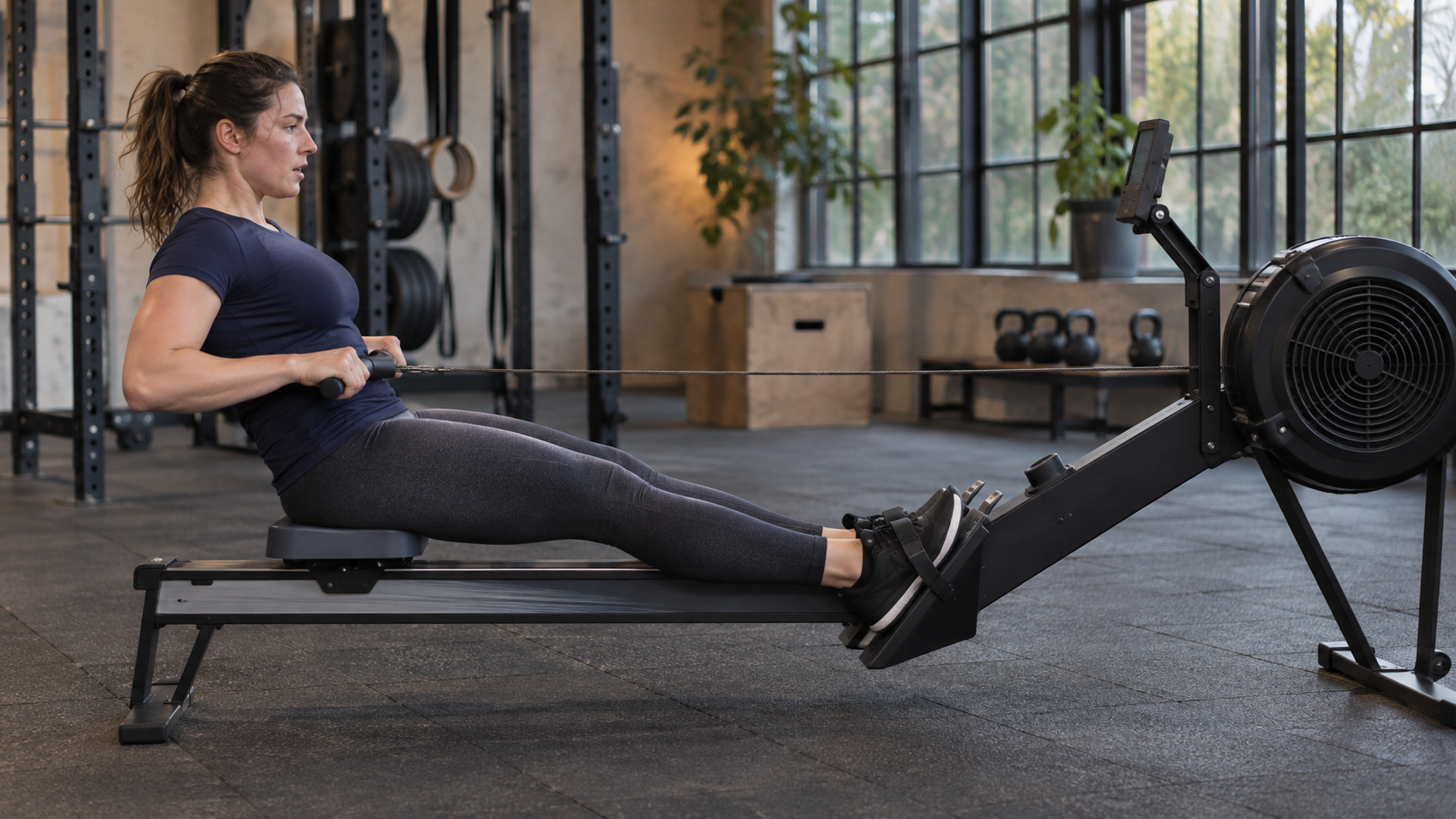
Moro and colleagues studied 29 CrossFit participants over six weeks in 2020. Their assessments included a three-repetition maximum squat, a 2 km rowing test and a CrossFit-specific anaerobic test.[2]
The researchers did not establish a between-group strength advantage. They also found no overall body-composition or cellular-hydration benefit.
The result adds a limit to broad performance claims. It does not directly repeat the earlier bench-press training-volume result, because that was not the same outcome under the same program.
The findings leave open questions about specific applications. They do not justify selecting only the favourable results or dismissing every possible effect.
Improving During a Study Is Not the Same as Outperforming Placebo
One detail in the CrossFit paper deserves particular attention: squat strength improved significantly from baseline within the betaine group, but there was no significant difference between groups.[2]
An athlete can improve while taking a supplement because training itself produces change. The placebo group helps assess whether the supplemented group improved more.
A common reading error is to notice that one group reached statistical significance and the other did not, then infer a treatment advantage. That inference requires an appropriate comparison of the groups; separate before-and-after tests cannot establish it. Gelman and Stern explain this distinction in their statistical paper.[3]
For readers, the practical question is precise: did the group change, or did it change more than the comparator?
Different Training Programs Offer Hypotheses, Not Explanations
It is tempting to attribute the different findings to resistance training versus CrossFit.
That is a plausible research question. Comparing these two papers alone cannot establish the answer. The training program was not the only difference between the experiments.
A direct test would need a design capable of separating a training-type effect from other influences. Until then, program differences provide context rather than proof that betaine benefits one style of exercise and not another.
The same caution applies to population differences. A finding in one group should prompt further investigation before becoming a prediction for another.
Measurement Also Shapes the Story
The earlier trial estimated body composition using skinfold measurements and estimated arm size using circumference and skinfold data. The later study used skinfolds and bioelectrical impedance for body-composition and hydration assessments.[1,2]
These methods produce estimates. A reported lean-mass change should not automatically be described as directly measured growth of muscle tissue.
The broader lesson is to preserve the link between the claim and its measurement. Muscle size, lean mass, strength and work capacity are related, but none is a substitute for all the others.
What Would Make the Evidence More Convincing?
A useful next study would identify its main outcome clearly, recruit enough participants to estimate the effect with useful precision and report the size and uncertainty of the difference between groups.
Replication would be especially informative when it tests a comparable material, intake, population and training program. That would help distinguish a repeatable finding from a result tied to one experimental setting.
For now, these papers support a specific interpretation: selected outcomes have shown encouraging signals, while broader strength and body-composition benefits have not been consistently demonstrated across the trials discussed here.
That is a more informative position than either a blanket endorsement or a blanket rejection.
Considering Betaine for Your Formula?
Tell us which training outcome matters most for your product. We can help you assess how closely the available betaine research matches that goal.
Evidence Boundaries
- This article compares two selected trials; it is not a systematic review of all betaine research.
- Differences between the studies cannot establish which design feature caused their results to differ.
- A nonsignificant result does not prove that the true effect is exactly zero.
- The 2.5 g/day figure describes a research protocol, not an intake recommendation.
- The 2013 trial received DuPont Nutrition & Health funding and included a company-employed author.[1] View Study
- Training scenes accompanying this article are illustrative, not photographs of trial participants.
Recommended Reading
References
- Cholewa JM, et al. (2013). Effects of betaine on body composition, performance, and homocysteine thiolactone. Journal of the International Society of Sports Nutrition, 10:39.
- Moro T, et al. (2020). Betaine Supplementation Does not Improve Muscle Hypertrophy or Strength Following 6 Weeks of Cross-Fit Training. Nutrients, 12:1688.
- Gelman A, Stern H. (2006). The Difference Between “Significant” and “Not Significant” is not Itself Statistically Significant. The American Statistician, 60:328–331.
Post time: Nov-24-2026


