

A creatine specification can show a strong assay result and still leave a buyer with unanswered microbiological questions. The useful comparison is not simply which supplier lists the lowest number. It is what was tested, how it was tested and whether the result answers the intended quality requirement.
Before comparing quotations, align the microbiological specification with your quality team and the receiving laboratory. This makes it easier to identify a genuine difference between materials and a difference in reporting.
Separate Counts From Tests for Specific Organisms
An aerobic count and a test for a named pathogen answer different questions. Yeast and mould results add another part of the picture. One low count should not be treated as a substitute for every other agreed test.
Read the Method and Reporting Unit Together

For a numerical count, record the method, result and unit, such as CFU/g where applicable. Check whether a result is an actual count, an estimate or below the laboratory’s reporting limit. A result reported as less than a stated level is not the same statement as zero.
For a presence-or-absence test, identify the named organism and the test portion. For example, “not detected in 25 g” describes a different tested quantity from “not detected in 10 g.” Neither wording proves that an entire shipment is free of the organism. These are reporting examples, not proposed acceptance limits.
Methods may use different preparation, enrichment or enumeration procedures. Ask the laboratory whether the methods and reporting limits are comparable before ranking two COAs.
Keep the Sample Connected to the Lot
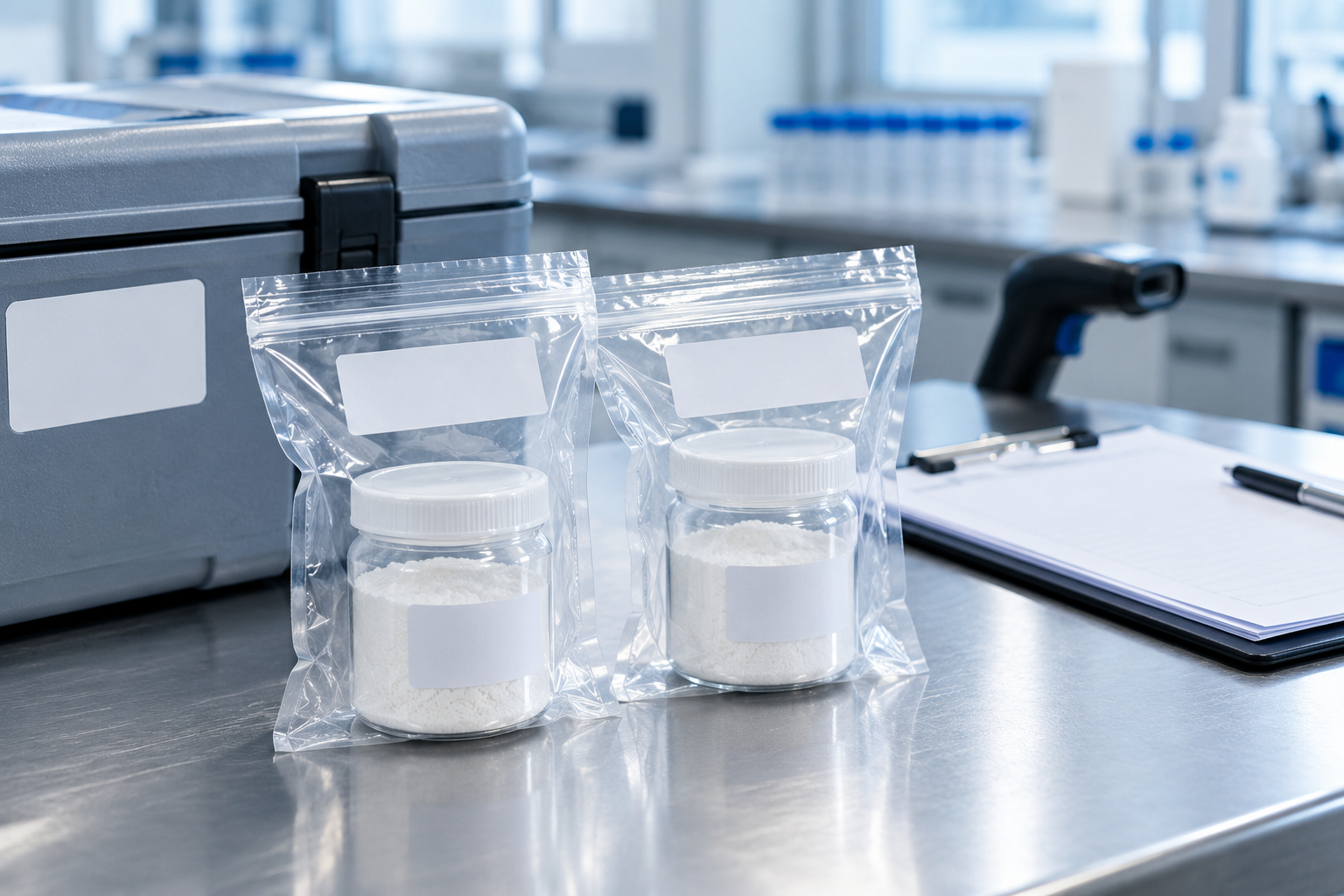
Record the lot, selected containers, sample collection, sealing, dispatch and receipt by the laboratory. Collection tools and handling should preserve the microbiological condition of the sample rather than introduce contamination.
FDA’s BAM sampling chapter addresses representative sampling and preparation for microbiological analysis. Use an appropriate, documented plan with the laboratory; do not borrow a sample number or test portion without checking the purpose and material. [2]
Set Requirements for the Intended Use
A dry powder for direct retail packing and an ingredient going into a further processing step may require different assessments. Consider the product category, destination market, intended consumer, other ingredients and whether a validated microbial control step exists later in the process.
In the US dietary-supplement context, 21 CFR 111.70 requires appropriate component and finished-product specifications, including limits on relevant contamination. It does not provide one numerical microbial limit for all creatine products. [3]
Agree How Supplier Results Will Be Verified
Confirm which results are reported for the supplied lot, the responsible laboratory, method version and testing frequency. If relying on supplier COAs, establish the verification arrangement under your quality system. US dietary-supplement rules place conditions on using supplier COAs for applicable component specifications. [4]
Define what happens if the receiving result conflicts with the supplier’s report. Preserve the original result and review sampling, transport and method differences before deciding the next action. Repeated testing simply to obtain a passing result is not a sound investigation plan.
Keep Raw Material and Finished Product Evidence Distinct
The incoming COA describes the tested raw-material sample. It cannot establish the microbiological condition of a finished blend, gummy or retail tub after further handling. Set the finished-product controls with the manufacturer and quality team.
Give SRS a Requirement That Can Be Reviewed
Send SRS Nutrition Express your destination market, intended product, required organisms or counts, limits, methods and test portions. Include the order volume and whether you need lot-specific reports beyond the routine COA.
SRS can review those requirements against available supplier specifications and documentation, then discuss any additional testing, sample quantities, cost and lead time that need confirmation. A clear specification makes the enquiry easier to answer and the eventual material easier to assess.
Evidence Boundaries
- No universal microbial limits, test panel or sampling plan for creatine are established in this article.
- The 10 g and 25 g examples explain reporting; they are not SRS specifications or recommended acceptance criteria.
- FDA BAM methods and US dietary-supplement rules are cited within their own scope and do not replace a destination-specific assessment.
- No microbiological result, sterility claim or guaranteed additional testing capability is asserted for an SRS lot.
Recommended Reading
References
1. U.S. Food and Drug Administration. Bacteriological Analytical Manual. Chapters on aerobic plate count, yeasts and moulds, and named organisms.
2. U.S. Food and Drug Administration. BAM Chapter 1. Food Sampling and Preparation of Sample Homogenate. April 2022 edition.
3. Electronic Code of Federal Regulations. 21 CFR 111.70. What specifications must you establish?
4. Electronic Code of Federal Regulations. 21 CFR 111.75. What must you do to determine whether specifications are met?
Post time: Oct-20-2026


